
Why I Believe Creative Programs Should Be Built Around People, Not Projects
When people think about creative programming, they often start with the project.
"What craft are we making?"
"What machine are we using?"
"What's trending right now?"
Those are important questions, but I've found they're rarely the best place to begin. In my time designing programs I’ve found that the best creative experiences don’t start with a project, but with people. Whether you're a librarian planning your next program, someone who works for a museum, park district, nonprofit, or community organization, a fellow creative, or simply someone who's curious about making things, I hope you'll find something useful here.
How I Got Here
I've spent years working in public-facing creative environments, especially in libraries, where I've had the opportunity to teach, build creative spaces, and connect with people of all ages and experience levels. The clearest thing to me from all these experiences is that no two communities are exactly alike.
The same embroidery workshop can feel completely different depending on who's in the room. A project that excites one group may feel intimidating to another. Even within a single class, participants arrive with different goals, different confidence levels, and different reasons for showing up.
Some people want to learn a new skill.
Some are looking for a creative outlet after a difficult week.
Some simply want to spend time with others and do something together.
Every single one of those differences matters, and I want to meet each of these people where they are at and develop from there.
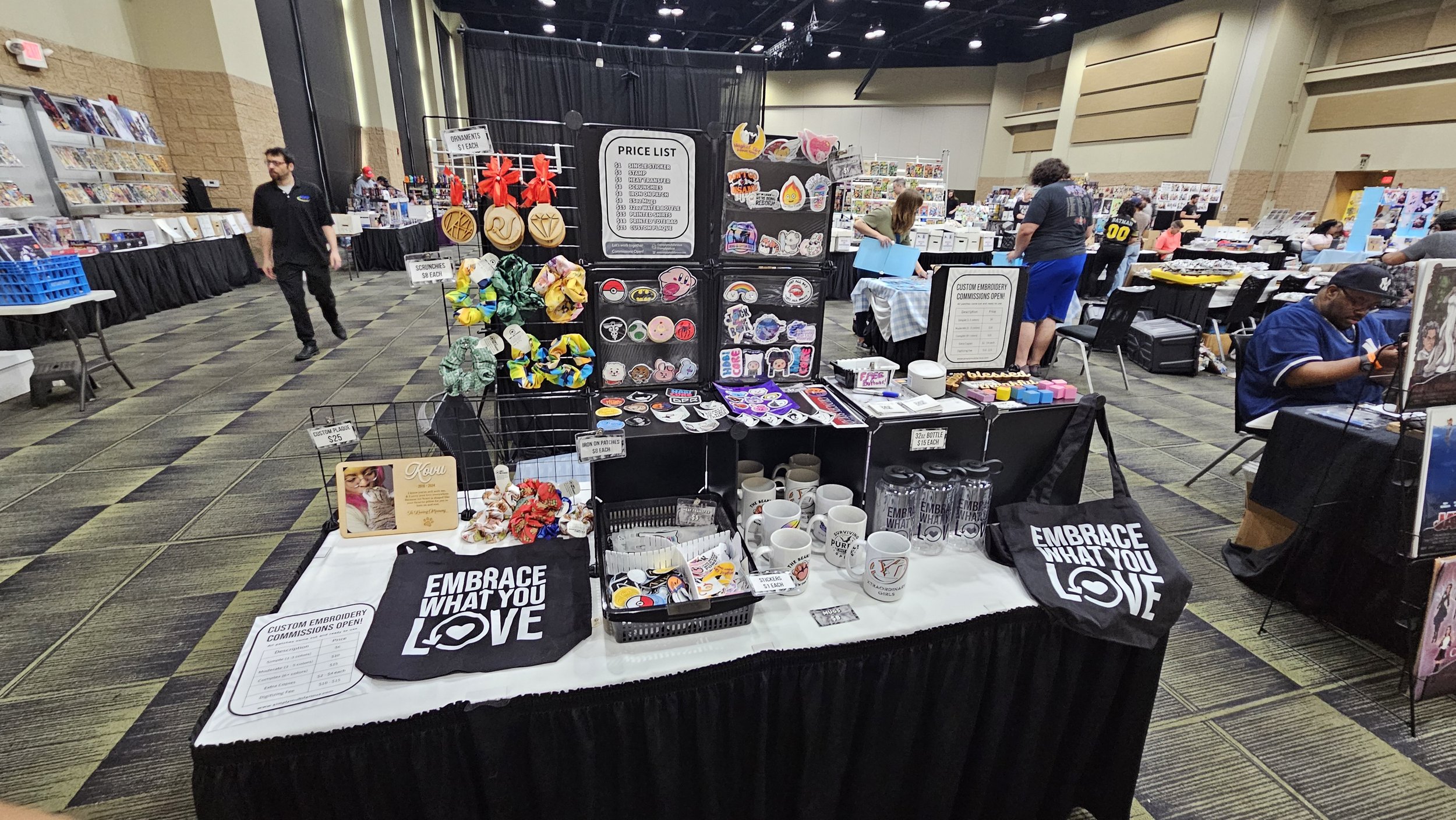
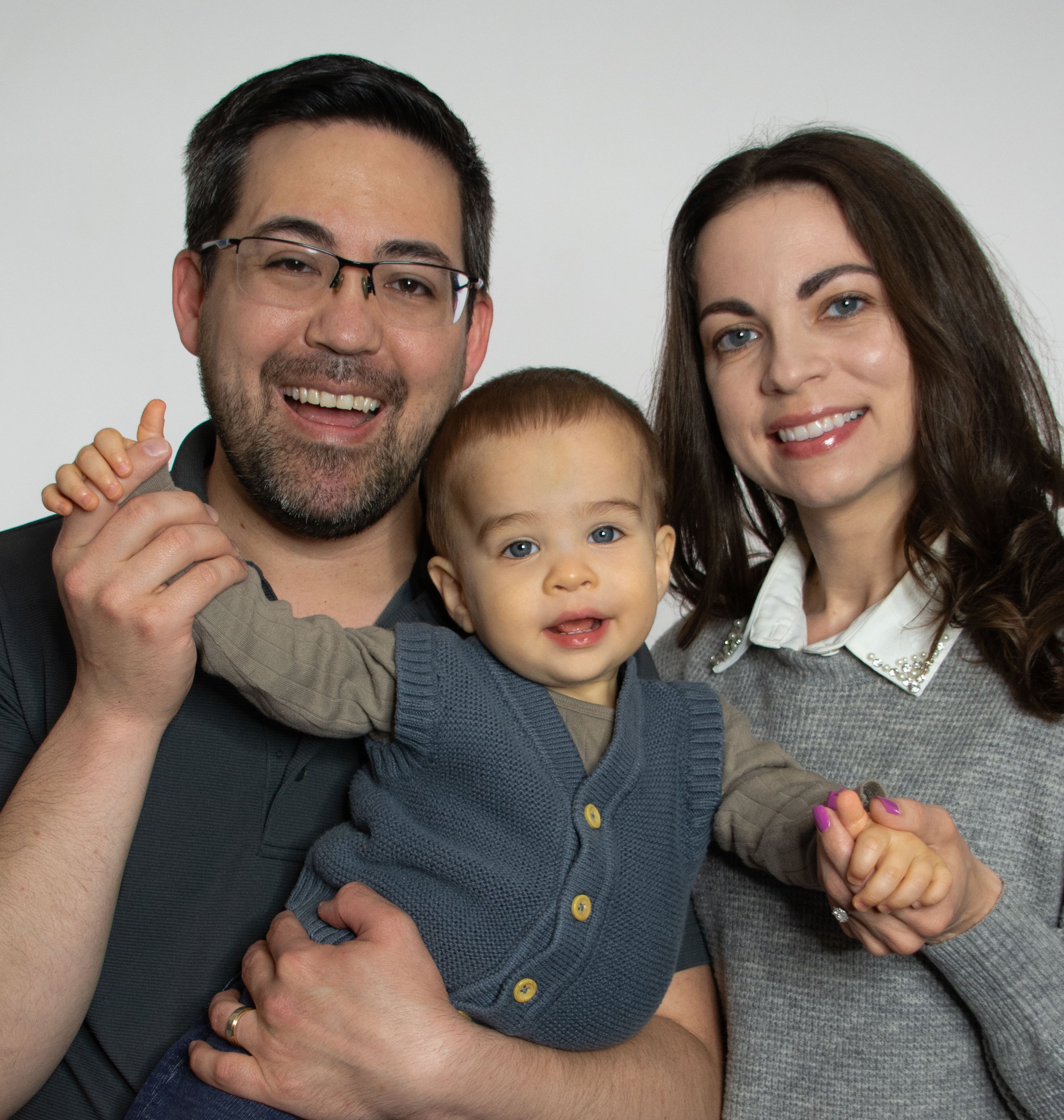
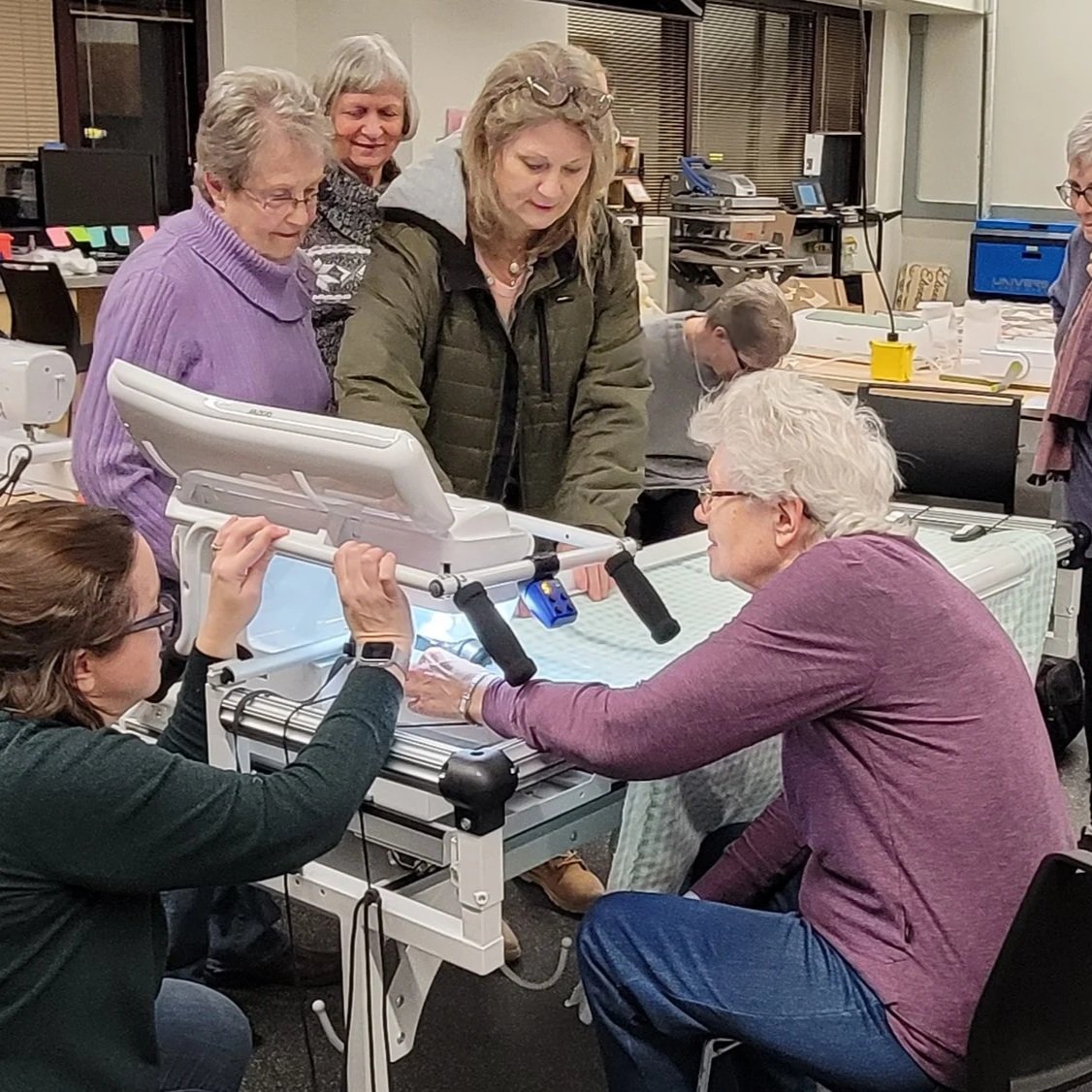
Every community is different
I carry that understanding wherever I go because a creative program that works beautifully in one community might not be the right fit somewhere else. I know too well how much budget, staff capacity, and available equipment and services may vary before we even get to deep dive how participant interests change over time. Instead, I like to ask these types of questions first:
Who is this program for?
What are they hoping to gain?
What barriers might prevent someone from participating?
How can we make the experience approachable without making it boring?
Then I never forget to review what worked and what didn’t.
Those conversations usually lead to stronger programs than simply picking out trends.
What Libraries Taught me
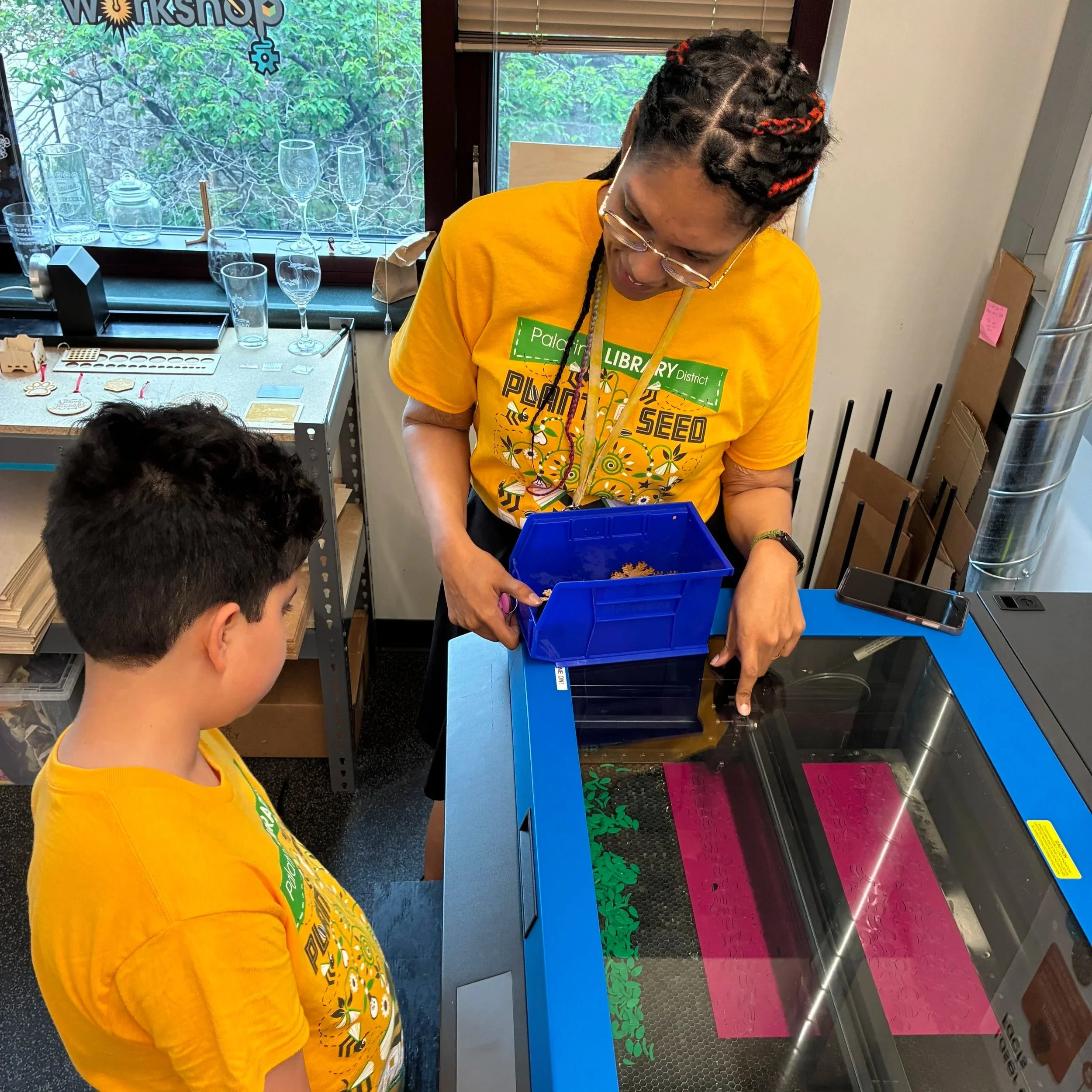
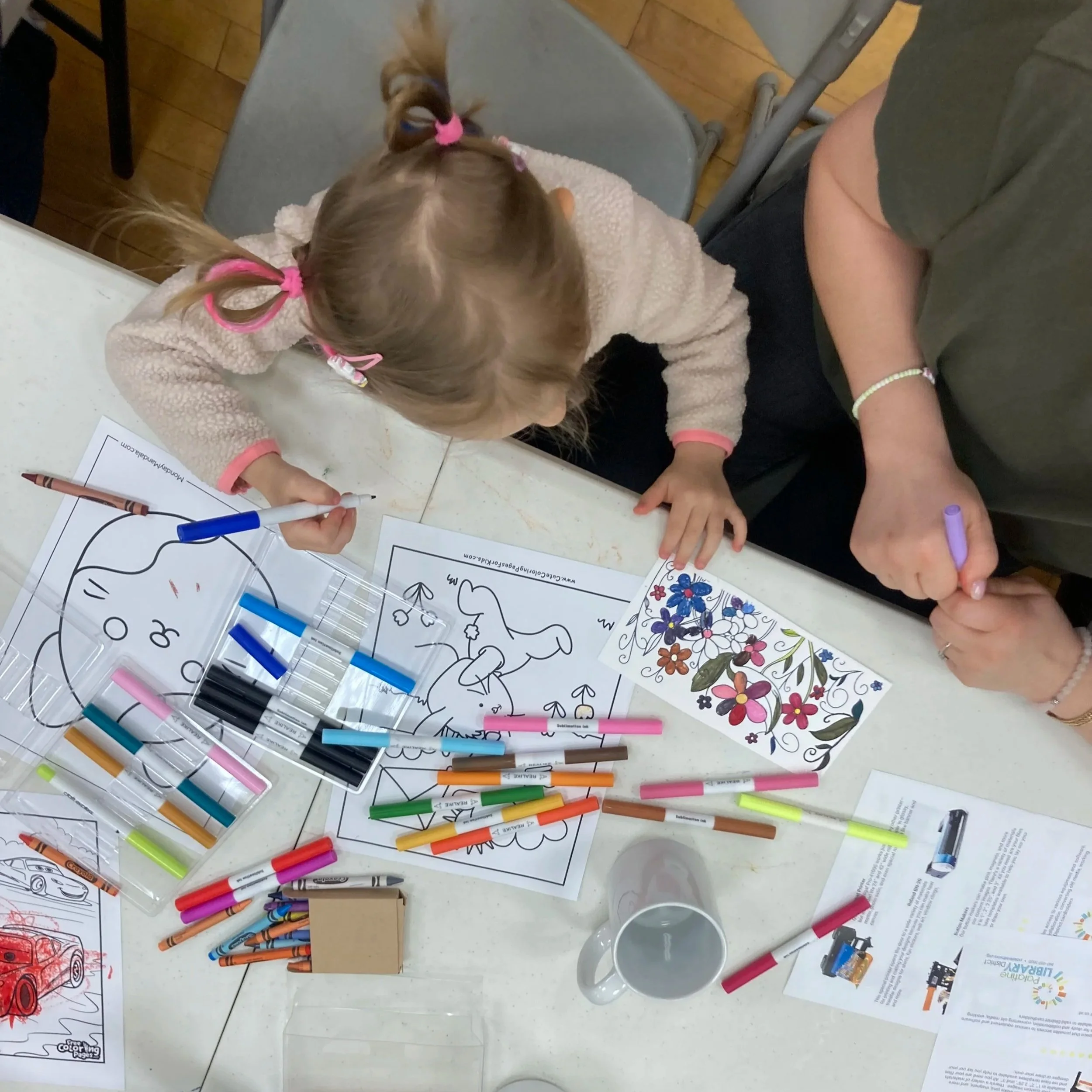
Working in libraries has shaped the way I think about creativity. Something fundamental in library world is that we welcome everyone. Which means every program must consider a wide range of ages, abilities, learning styles and experience levels. I think we get caught up sometimes in the battle of proving the value of these types of spaces. I've learned that success isn't measured by whether every participant leaves with an identical finished project.
Success looks like someone trying something they never thought they could do. It looks like neighbors introducing themselves to each other to chat and share tips while they work. It looks like someone asking, "When's the next class?". It looks like participants leaving more confidently than when they arrived. Rarely do any of those moments happen because the project was perfect. They happen because people felt welcome enough to participate.
My Approach and creation of simply multifarious
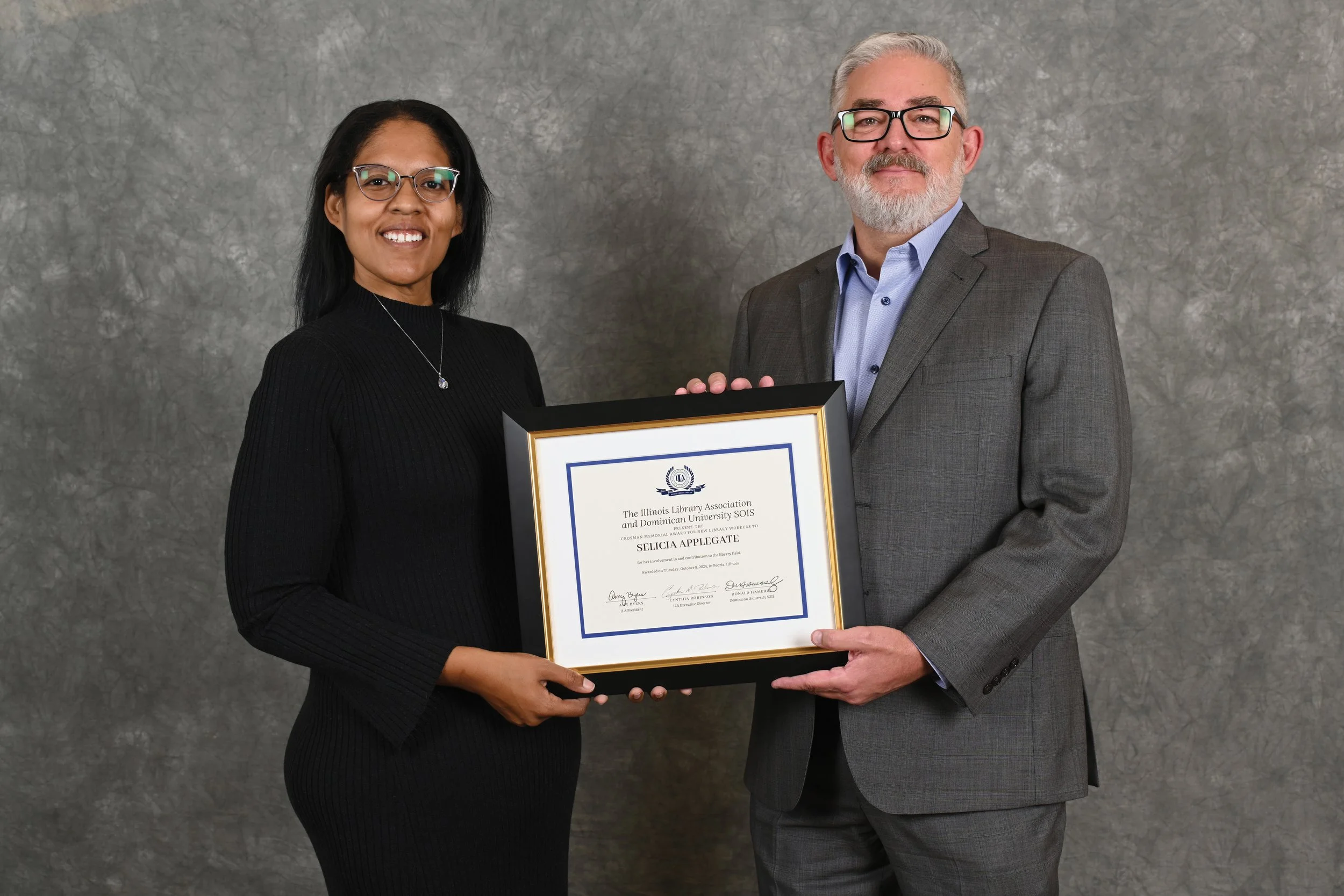
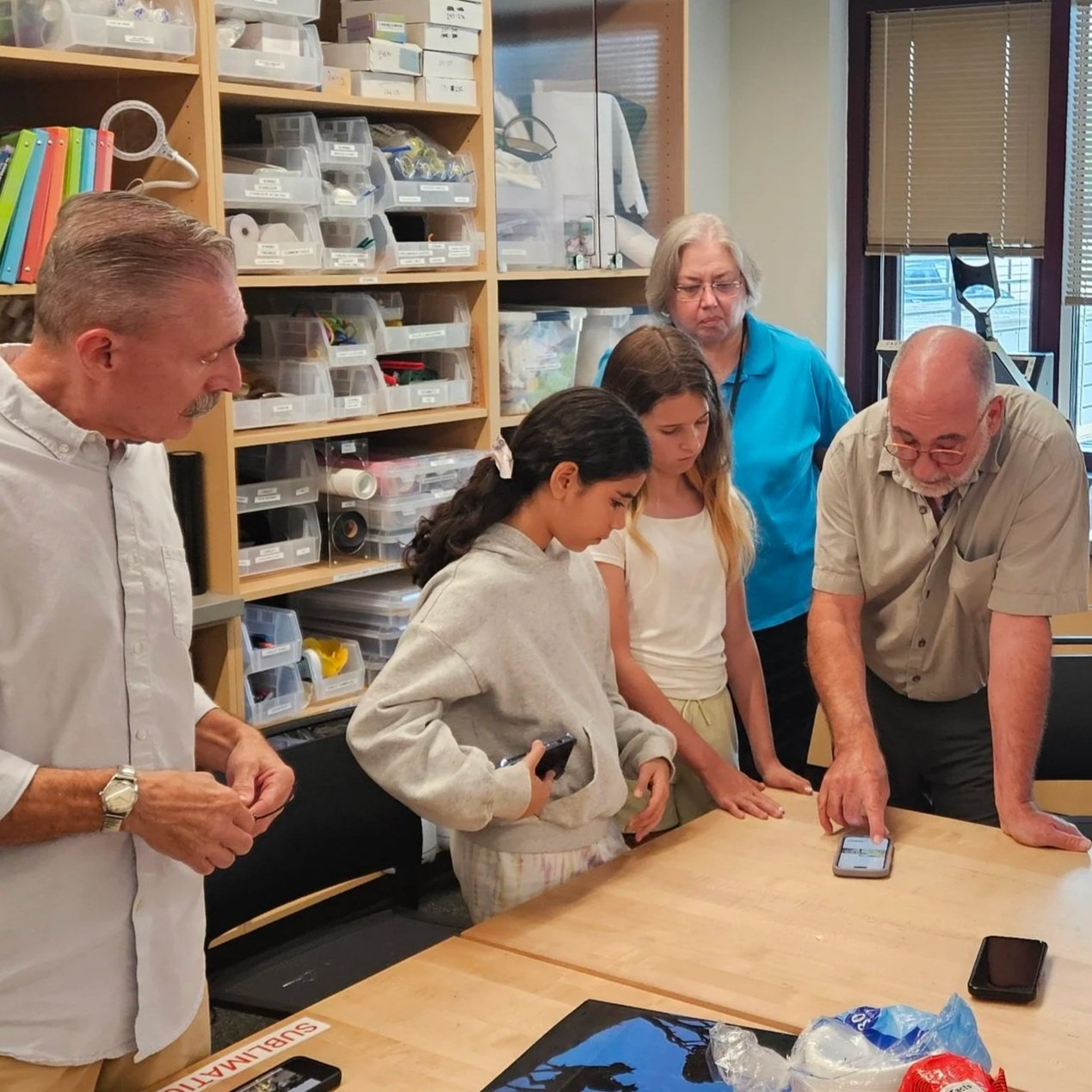
Whether I'm leading a workshop, consulting on a makerspace, photographing a community event, or teaching embroidery, my approach stays the same. I try to create experiences where people feel comfortable enough to explore, experiment, and learn. That means choosing projects that leave room for creativity instead of demanding perfection. It means thinking about accessibility from the beginning instead of treating it as an afterthought. It means recognizing that confident staff often have a bigger impact than expensive equipment. And it means remembering that the goal isn't simply to make something. The goal is to help people discover that they're capable of making something.
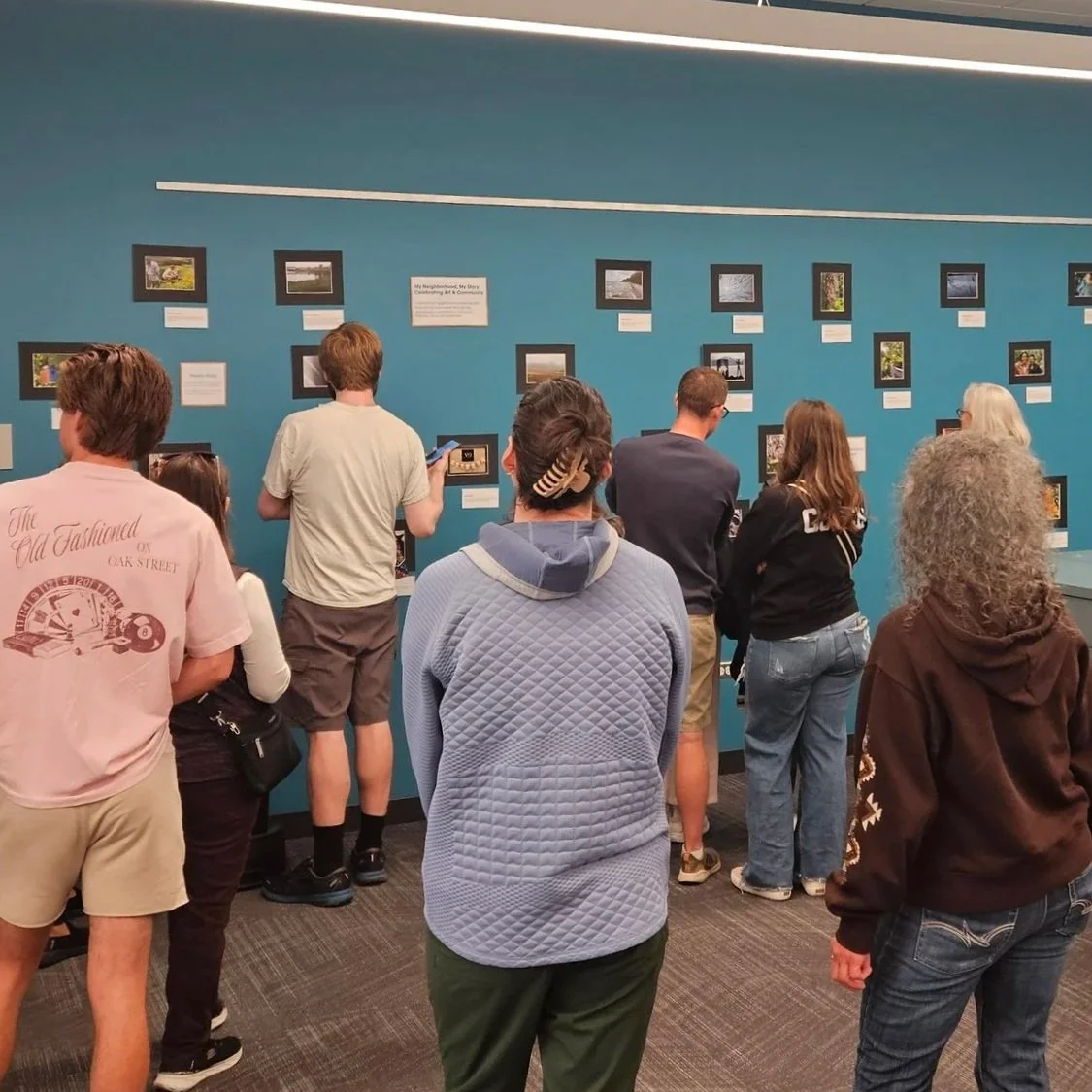
Simply Multifarious has evolved over the years, but the mission has become much clearer. I help communities create, learn, document, and celebrate creative experiences. Sometimes that looks like teaching an embroidery workshop. Sometimes it's helping an organization think through a makerspace. Sometimes it's documenting an event through photography or video to preserve the impact last beyond the day itself. While the medium changes, the focus doesn’t. I will always center around helping people connect through creativity.
What you can expect here
Everything I create is an extension of the philosophy of programs built around people not projects.
My work online is a place to share ideas, lessons learned, and practical resources that help creativity feel more approachable, meaningful, and connected to the people around us. I'll share behind-the-scenes looks at workshops, reflections from community programming, project tips, makerspace ideas, creative experiments, and stories from the people and places that inspire my work. Some posts will include free resources you can use in your own creative practice or programming, while others will explore the thought process behind planning workshops, building creative spaces, and documenting community experiences.
Whether you're in an organization, a fellow creative, or simply someone who's curious about making things, I hope you'll find something useful here. Because while I enjoy talking about tools, techniques, and projects, what interests me most is what happens when creativity brings people together. At the end of the day, I don't think creativity is really about the projects we make. I think it's about the confidence we build, the conversations we start, and the communities we strengthen. That's the process worth sharing.